


Rare Poultry Eggs UK: Discovering the Charm of Rare Breed Hatching Eggs in the UK
- GRACIE'S Farm
- Apr 6
- 4 min read
When I first started exploring the world of rare poultry, I was captivated by the beauty and history behind rare breed hatching eggs in the UK. These eggs are not just ordinary eggs; they carry the promise of unique, genetically healthy birds that bring character and heritage to any flock. If you share this passion, you’ll find that rare breed hatching eggs offer a wonderful way to preserve and enjoy some of the UK’s most treasured poultry breeds.
Why Choose Rare Poultry Eggs UK?
Rare poultry eggs UK are more than just a source of new chicks. They represent a commitment to biodiversity and the preservation of heritage breeds. These eggs come from birds that have been carefully bred over generations, often with fascinating stories tied to the British countryside.
Choosing rare poultry eggs means you’re supporting conservation efforts. Many rare breeds are at risk of disappearing, and by hatching these eggs, you help keep their bloodlines alive. Plus, these birds often have unique traits - from striking plumage to exceptional hardiness - that make them a joy to raise.
I remember the first time I hatched a rare breed egg. The anticipation was thrilling, and when the chick finally emerged, it felt like welcoming a piece of history into my home. It’s a rewarding experience that connects you to the roots of poultry farming in the UK.
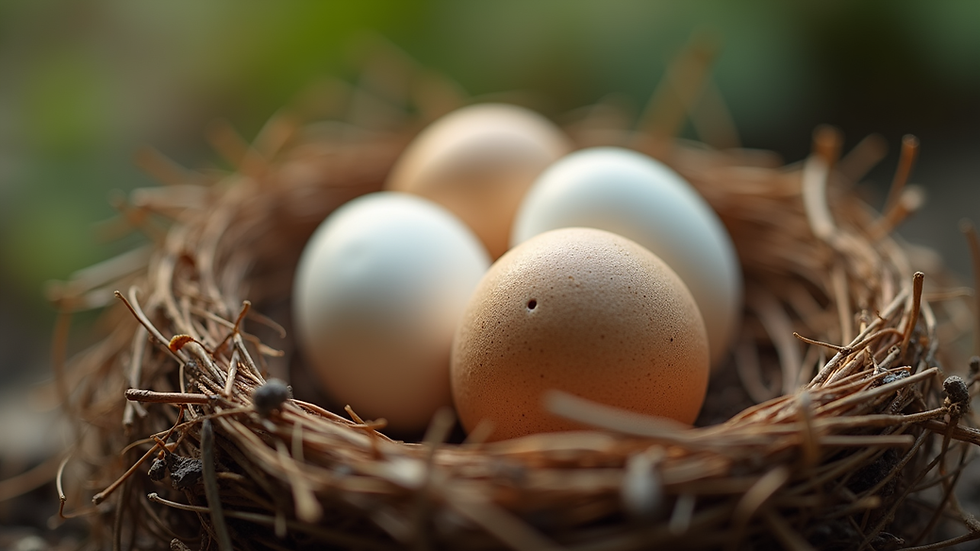
Rare breed chicken egg nestled carefully in straw
How to Source Rare Breed Hatching Eggs in the UK
Finding rare breed hatching eggs in the UK can be a delightful treasure hunt. There are several reputable breeders and farms dedicated to maintaining these precious lines. When looking for eggs, it’s important to consider the health and genetic background of the birds to ensure strong, healthy chicks.
One tip I always share is to look for sellers who provide detailed information about their breeding stock. Transparency about the birds’ lineage and health checks is a good sign of quality. Also, check for proper packaging and shipping methods to protect the eggs during transit.
If you’re ready to start your own flock, you might want to explore rare breed hatching eggs for sale UK. This link leads to a trusted source where you can find a variety of rare breed eggs, all carefully selected for their quality and genetic health.
When you receive your eggs, keep them in a cool, stable environment until you’re ready to incubate. Patience and care during this stage are crucial for successful hatching.

Incubator housing rare breed hatching eggs, ready for incubation
What Chicken Lays 364 Eggs a Year?
While rare breeds are prized for their heritage and unique qualities, some chickens are known for their prolific egg-laying abilities. The breed that famously lays up to 364 eggs a year is the White Leghorn. This breed is a powerhouse when it comes to egg production, often laying nearly an egg a day.
White Leghorns are not typically considered rare, but they serve as a benchmark for egg-laying efficiency. In contrast, many rare breeds lay fewer eggs but offer other benefits like hardiness, temperament, and distinctive appearances.
If your goal is to combine beauty and productivity, some rare breeds like the Ancona or Marans can provide a good balance. They may not match the White Leghorn’s output but still lay a respectable number of eggs while adding charm to your flock.
Caring for Rare Breed Hatching Eggs and Chicks
Once you’ve sourced your rare breed hatching eggs, the next step is to care for them properly. Incubation requires attention to temperature, humidity, and turning the eggs regularly. I always recommend investing in a reliable incubator with clear controls to make this process easier.
After hatching, chicks need a warm, safe brooder with clean bedding and fresh water. Feeding them a high-quality starter feed will help them grow strong and healthy. It’s also important to monitor their health closely during the first few weeks.
Rare breeds sometimes have specific needs or temperaments, so take time to learn about the particular breed you’re raising. Joining online forums or local poultry clubs can be a great way to connect with others who share your interest and can offer advice.
The Joy of Raising Rare Breeds on Your Farm
Raising rare breeds is a journey filled with discovery and satisfaction. These birds often have personalities that shine through, making them delightful companions. Their unique colours and patterns brighten up any farmyard, and their eggs can be a conversation starter at markets or with visitors.
For me, the pride in hatching and raising rare breeds is deeply personal. It’s about honouring tradition and contributing to a future where these wonderful birds continue to thrive. Whether you’re starting small or expanding your existing flock, rare breed hatching eggs offer a meaningful way to connect with the past and nurture the future.
If you’re ready to take the plunge, remember that patience and care are your best friends. Each egg holds potential, and with the right approach, you’ll soon be welcoming new life that carries the legacy of rare poultry breeds in the UK.

Colourful rare breed chicken enjoying a sunny day on the farm
Bringing It All Together: Your Next Steps with Rare Breed Hatching Eggs
Starting with rare breed hatching eggs in the UK is a rewarding adventure. It’s about more than just raising chickens - it’s about preserving heritage, enjoying unique birds, and building a flock that reflects your passion.
To get started, research breeds that interest you, find reputable sources, and prepare your incubator and brooder carefully. Remember, the journey is as important as the destination. Celebrate each hatch, learn from every challenge, and enjoy the special connection that comes from raising rare poultry.
If you want to explore options, don’t hesitate to check out rare breed hatching eggs for sale UK for a trusted selection. Your flock will thank you for it, and you’ll be part of a wonderful community dedicated to keeping these precious breeds alive and thriving.
Happy hatching!


Comments